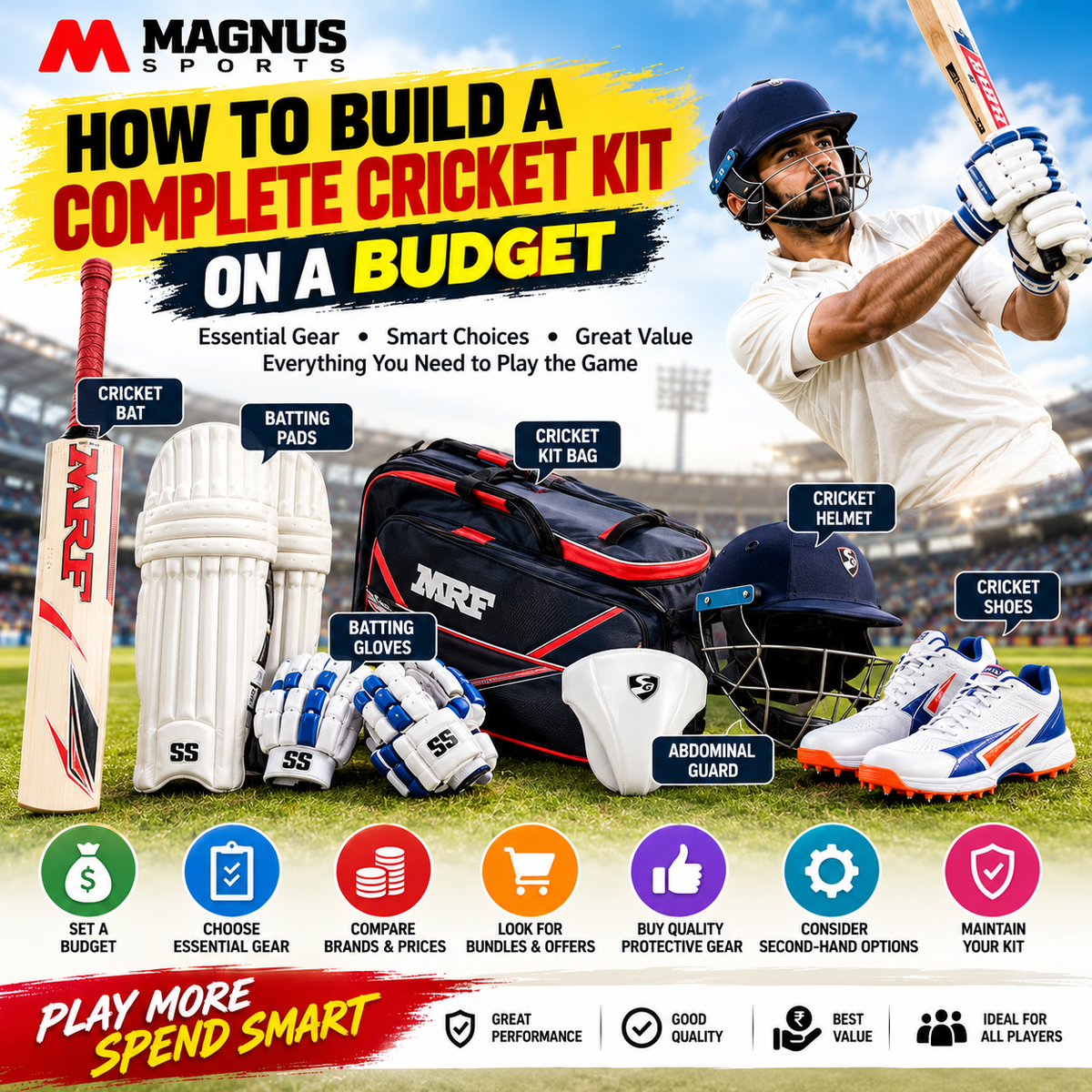
How to Build a Complete Cricket Kit on a Budget: A Smart Guide for US Players
Cricket is growing in popularity across the United States, with more players joining local clubs, college teams, weekend leagues, and recreational matches. Whether you're a beginner picking up a bat for the first time or an experienced player preparing for the upcoming season, having the right cricket equipment can make a significant difference to your performance and safety.
However, building a complete cricket kit doesn't have to cost a fortune. With smart shopping, careful prioritization, and the right equipment choices, you can assemble a reliable cricket kit without exceeding your budget.
In this guide, we'll explain what you need, where to save money, and how to choose cricket equipment that offers good value for American players.
1. Start with the Essential Cricket Equipment
Before shopping, create a checklist of the equipment you actually need. Beginners don't necessarily need professional-grade gear immediately, but certain protective items are essential.
Here's a basic checklist for a cricket kit:
-
Cricket bat
-
Batting gloves
-
Batting pads or leg guards
-
Cricket helmet
-
Abdominal guard or protective cup
-
Cricket shoes
-
Cricket kit bag
-
Additional equipment depending on your playing role
If you're a wicketkeeper, you'll also need wicketkeeping gloves and pads. Bowlers may benefit from specialized footwear and additional training equipment.
Budget tip: Prioritize safety equipment and essential playing gear before purchasing accessories, premium bags, or multiple training items.
2. Choose the Right Cricket Bat for Your Budget
The cricket bat is often one of the most important purchases in your kit. Prices vary considerably depending on the willow type, craftsmanship, brand, and model.
English Willow vs. Kashmir Willow
English willow bats are popular among competitive players because of their traditional feel, responsiveness, and potential for powerful stroke play. They generally cost more, making them a larger investment for budget-conscious buyers.
Kashmir willow bats are often more affordable and can be a practical choice for beginners, casual players, and recreational cricket.
When choosing a bat, consider:
-
Weight and pickup
-
Handle comfort
-
Blade profile and sweet spot
-
Batting style and experience
-
Budget and frequency of use
Don't select a bat based on price or appearance alone. A comfortable bat that suits your technique is often a better investment than an expensive model that feels difficult to control.
3. Invest in Protective Gear First
Protective equipment should never be treated as an optional extra, particularly when playing with hard cricket balls.
Cricket Helmet
A properly fitted cricket helmet helps protect your head and face. Choose a model that meets applicable safety standards, fits securely, and is appropriate for the level of cricket you play.
Batting Pads
Batting pads protect your shins and knees from impact. Beginners can start with a comfortable, appropriately sized pair rather than immediately investing in professional-grade models.
Batting Gloves
Look for gloves that provide adequate padding, a secure fit, and comfortable finger movement. Good grip and flexibility can help you maintain control of the bat.
Abdominal Guard
A properly fitted abdominal guard is an important protective item for players facing hard-ball cricket.
Money-saving advice: Buy fewer accessories rather than compromising on essential protection. Check fit, condition, and product authenticity before purchasing discounted equipment.
4. Find Affordable Cricket Shoes
Cricket shoes can influence traction, comfort, and stability on the field. However, the best choice depends on the surface where you play.
-
Turf grounds: Consider cricket shoes designed for grass and turf conditions.
-
Artificial pitches: Look for suitable rubber-soled cricket shoes that provide reliable traction.
-
Practice nets: Choose comfortable footwear appropriate for the training surface.
Beginners who play occasionally may not need expensive professional shoes. However, ordinary running shoes are not always suitable for cricket, especially on slippery or uneven surfaces.
Choose footwear that fits correctly and offers appropriate grip for your playing environment.
5. Choose a Cricket Kit Bag That Fits Your Needs
A cricket kit bag keeps your equipment organized and makes transportation easier.
Two common options are:
Duffle bags: Usually compact and convenient for players carrying essential equipment. They can be a practical choice for beginners and recreational players.
Wheelie bags: Feature wheels for transporting heavier kits. They are useful for players who regularly carry bats, pads, helmets, shoes, and additional equipment.
If you're building your first cricket kit, start with a durable bag that fits your current equipment. You can upgrade when your kit grows.
6. Buy Cricket Equipment in Bundles
One of the easiest ways to reduce your initial spending is to compare complete cricket kits with individually purchased items.
Some retailers offer bundles containing a bat, gloves, pads, and a bag. Others sell separate packages for batting, wicketkeeping, or junior players.
Before buying a bundle, check:
-
Whether a helmet is included
-
Whether the bat is made from English or Kashmir willow
-
The quality and sizing of protective gear
-
Whether the equipment suits your age and playing level
-
The total cost compared with purchasing each item separately
A bundle is worthwhile only when the included equipment meets your needs. Avoid paying for items you won't use.
7. Consider Second-Hand Equipment Carefully
Buying used equipment can help reduce the cost of building your first kit, particularly for items that are expensive when purchased new.
Items worth considering include:
-
Cricket kit bags
-
Some training accessories
-
Gently used bats with no structural damage
-
Non-protective practice equipment
However, inspect used bats for cracks, damaged handles, loose repairs, and excessive wear.
For helmets and other protective equipment, buying new is generally the safer option because previous impacts, hidden damage, and product history may be difficult to verify. Never use damaged protective equipment.
Also check that used footwear fits properly and provides sufficient grip.
8. Build Your Cricket Kit with a Realistic Budget
Your total cost will depend on your playing level, equipment quality, and whether you purchase new or used items.